
Artificial intelligence has rapidly become part of modern marketing. Businesses now use AI-powered tools to generate content, analyze customer behavior, automate workflows, create advertisements, and support communication strategies. These tools can process large amounts of information quickly and assist with repetitive tasks that once required significant manual effort. As AI becomes more integrated into digital marketing, it is easy to assume that automation alone can replace strategic decision-making. However, while AI can support execution and efficiency, it still relies heavily on human direction, interpretation, and oversight. Marketing is not only about producing content or automating workflows. It also involves understanding people, recognizing context, making judgment calls, and aligning communication with long-term business goals. These are areas where human strategy continues to play a critical role.
The Growing Role of AI in Marketing
AI tools are now used across many areas of digital marketing.
Examples include:
- Content generation
- Email automation
- Customer support chat systems
- Data analysis
- Audience segmentation
- Ad targeting
- Predictive analytics
- Search optimization support
These systems help businesses process information faster and streamline repetitive activities.
For example, AI can assist with:
- Drafting blog outlines
- Suggesting keywords
- Organizing customer data
- Generating social media captions
- Summarizing analytics reports
This can save time and help marketing teams work more efficiently.
 What AI Does Well in Marketing
Understanding the strengths of AI helps clarify why it is useful—and why human strategy still matters.
Speed and Efficiency
AI can process and generate large amounts of information quickly. Tasks that may take hours manually can sometimes be completed in minutes with automation support.
Pattern Recognition
AI systems are effective at identifying trends and patterns within data sets. This can help businesses analyze behaviors, engagement trends, or content performance.
Automation of Repetitive Tasks
Many marketing tasks are repetitive by nature. AI can automate activities such as:
- Scheduling emails
- Categorizing leads
- Generating reports
- Recommending content topics
Automation allows teams to focus more on planning and decision-making.
Content Assistance
AI tools can help organize ideas, suggest structures, and generate drafts that support content production workflows.
However, assistance is not the same as strategy.
The Difference Between Content Generation and Strategy
One of the biggest misunderstandings about AI-generated marketing is the assumption that generating content is the same as building a marketing strategy.
They are not the same thing.
Content Generation
AI can help create:
- Blog drafts
- Ad copy
- Email subject lines
- Product descriptions
- Social media captions
This focuses on execution and production.
Strategy
Marketing strategy involves broader decisions such as:
- Understanding audience behavior
- Defining brand positioning
- Choosing communication priorities
- Evaluating long-term business goals
- Deciding how and when to communicate
Strategy determines why content exists, not just what gets published.
AI can assist with tasks, but strategy requires context, judgment, and business understanding that go beyond automation.
Why Human Strategy Still Matters
Even as AI tools improve, human involvement remains important for several reasons.
Human Understanding of Context
AI systems rely on patterns and data, but they do not experience human situations the way people do.
Marketing often depends on understanding:
- Emotional reactions
- Cultural context
- Tone sensitivity
- Timing
- Industry nuances
For example, a message that technically sounds correct may still feel inappropriate or disconnected from the audience if context is missing.
Humans are better equipped to evaluate whether messaging aligns with real-world situations and expectations.
Brand Identity Requires Human Direction
Every business communicates differently.
Some brands focus on:
- Professional expertise
- Educational communication
- Friendly and conversational messaging
- Technical authority
- Community connection
AI can imitate tone patterns, but defining and maintaining a brand identity still requires human leadership.
Without clear strategic direction, AI-generated content can become inconsistent or generic.
Customer Trust Is Built Through Authenticity
People often respond to communication that feels genuine, clear, and relevant.
Over-reliance on automated content can sometimes lead to messaging that feels repetitive, overly broad, or disconnected from customer needs.
Human review helps ensure that marketing communication:
- Reflects actual business values
- Answers real customer concerns
- Maintains consistency across channels
Authenticity is difficult to automate fully because it depends on judgment and intention.
 AI Does Not Fully Understand Business Priorities
AI systems work from prompts, instructions, and available data. They do not independently understand long-term business objectives unless humans define them clearly.
For example, AI may generate content around trending topics, but humans must determine:
- Whether those topics align with business goals
- Whether the audience actually finds them useful
- Whether the content supports the company’s positioning
Human strategy helps prioritize what matters instead of simply producing more content.
Ethical and Accuracy Considerations Require Oversight
AI-generated content may occasionally include:
- Outdated information
- Misinterpretations
- Inaccurate assumptions
- Overgeneralized statements
Human review is important for maintaining accuracy and ensuring that information aligns with business standards and real-world facts.
This is especially important in industries where accuracy and trust matter significantly.
AI as a Tool, Not a Replacement
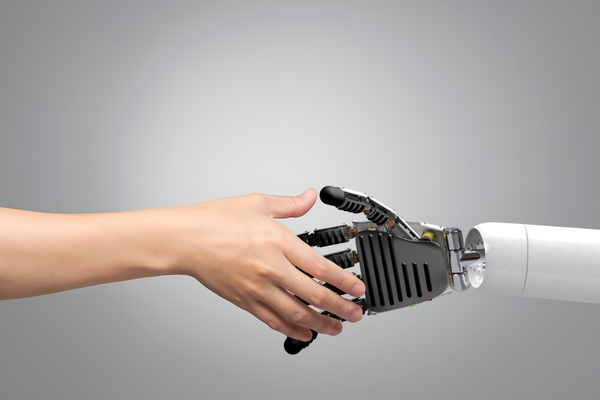
One of the most effective ways to view AI in marketing is as a support tool rather than a replacement for strategic thinking.
AI can help teams:
- Organize information
- Increase efficiency
- Reduce repetitive work
- Support brainstorming
But human marketers still guide:
- Direction
- Messaging priorities
- Audience understanding
- Brand consistency
- Long-term planning
This combination often creates a more balanced approach.
How Human Strategy Improves AI-Generated Content
AI-generated content becomes more useful when humans provide strong input and refinement.
Clear Prompts Produce Better Results
AI output depends heavily on the instructions provided.
Human marketers define:
- Goals
- Audience
- Tone
- Structure
- Messaging priorities
Without clear direction, AI-generated content may lack focus or relevance.
Editing and Refinement Improve Quality
Human editing helps ensure that content:
- Sounds natural
- Avoids repetition
- Aligns with brand voice
- Provides meaningful value
AI may produce drafts quickly, but refinement often improves readability and accuracy.
Strategic Alignment Matters
Content should support broader business objectives.
Human marketers determine:
- Which topics matter most
- Which audiences to target
- Which channels to prioritize
- How content supports conversions or engagement
AI does not independently create business strategy—it follows guidance.
Human Strategy and Search Visibility
Search engines continue to evolve alongside AI-driven search systems.
While AI tools can assist with:
- Keyword suggestions
- Topic clustering
- Content outlines
- Data analysis
human strategy remains essential for:
- Understanding audience intent
- Creating meaningful content
- Organizing site structure
- Building long-term authority
The goal is not simply to publish content, but to create content that aligns with user needs, search behavior, and business objectives.
Search engines increasingly prioritize usefulness, relevance, and clarity—qualities that often depend on thoughtful planning rather than automation alone.
Why Businesses Need Balance
Businesses do not necessarily need to choose between AI and human marketing strategy. Instead, many benefit from combining both.
AI Supports Efficiency
AI helps reduce manual workload and improve operational speed.
Humans Provide Direction
Human marketers provide:
- Creativity
- Judgment
- Emotional intelligence
- Brand leadership
- Strategic planning
The balance between the two creates a more adaptable and sustainable marketing process.
The Future of AI-Generated Marketing
AI will likely continue expanding across digital marketing workflows.
Future developments may include:
- More advanced personalization
- Improved voice interaction systems
- Enhanced predictive analytics
- Faster content generation tools
However, as automation becomes more common, strategic differentiation may become even more valuable.
Businesses that rely entirely on automation may struggle to stand out if their messaging becomes too similar to everyone else using the same tools.
Human insight remains important for creating communication that feels purposeful and aligned with real customer needs.
Need Help With AI in Marketing? BRMC is Here
Ready to make your marketing smarter and more strategic? Blue Ridge Media Company helps businesses combine technology, creativity, and human insight to build stronger digital strategies. Contact Blue Ridge Media Company today to start improving your online presence.
Common FAQs
1. What is AI-generated marketing?
AI-generated marketing refers to the use of artificial intelligence tools to help create, organize, automate, and analyze marketing content and workflows.
2. Can AI completely replace human marketers?
AI can assist with many tasks, but human marketers still provide strategy, creativity, judgment, and audience understanding that automation alone cannot fully replace.
3. Why is human strategy important in marketing?
Human strategy helps businesses align messaging with audience needs, business goals, brand identity, and real-world context.
4. What types of marketing tasks can AI help with?
AI can assist with content generation, keyword suggestions, data analysis, email automation, reporting, and content organization.
5. What are the limitations of AI-generated content?
AI-generated content may lack context, emotional understanding, strategic direction, and nuanced decision-making without human oversight.
6. How does human review improve AI-generated content?
Human review helps ensure content is accurate, relevant, aligned with brand voice, and useful for the intended audience.
7. Why does authenticity matter in digital marketing?
Authenticity helps businesses build trust and communicate more effectively with audiences through messaging that feels genuine and consistent.
8. How does AI support marketing efficiency?
AI can automate repetitive tasks and process large amounts of information quickly, helping teams save time and streamline workflows.
9. What role does human creativity play in AI-assisted marketing?
Human creativity helps shape ideas, messaging direction, storytelling, and strategic positioning that go beyond automated outputs.
10. Why is balance between AI and human strategy important?
Combining AI efficiency with human insight helps businesses create marketing that is organized, strategic, adaptable, and aligned with long-term goals.