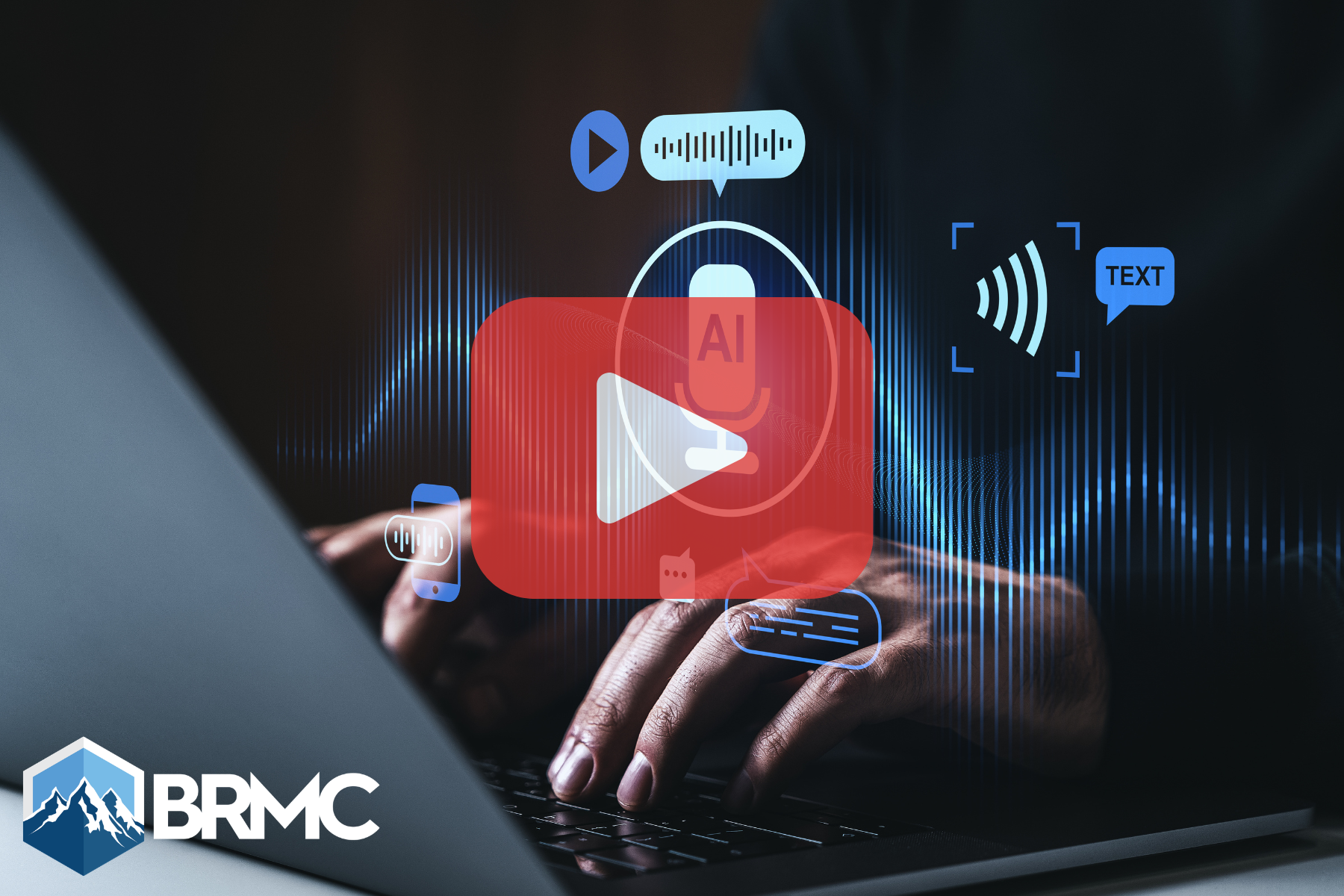
Artificial intelligence has become an increasingly common part of business technology, especially in tools designed to help companies communicate with customers more efficiently. One example of this technology is AI voice agents. These systems can answer calls, respond to questions, and guide users through simple interactions using automated voice responses powered by artificial intelligence.
For small businesses, understanding how AI voice agents work can help clarify how this technology fits into customer communication strategies. While the concept might sound complex, the underlying components are easier to understand when broken down step by step.
 What Is an AI Voice Agent?
An AI voice agent is a software system designed to communicate with users through spoken language. Instead of interacting with a keyboard or chat interface, customers speak to the system as they would during a phone call.
AI voice agents rely on several technologies working together to understand speech, process requests, and generate responses. These systems can handle tasks such as:
- Answering incoming phone calls
- Providing basic information about a business
- Guiding callers through menu options
- Scheduling appointments or collecting contact information
- Routing calls to the appropriate department
Unlike traditional automated phone menus that require callers to press numbers on a keypad, AI voice agents allow callers to speak naturally. The system interprets the request and responds accordingly.
The Core Technologies Behind AI Voice Agents
AI voice agents function through a combination of several key technologies. Each part plays a specific role in allowing the system to process spoken requests and deliver spoken responses.
1. Speech Recognition
The first step in any voice interaction is converting spoken words into text. This process is called speech recognition, sometimes referred to as automatic speech recognition (ASR).
When a caller speaks into a phone or microphone, the system analyzes the sound waves and converts them into written text that software can interpret. Modern speech recognition systems are trained using large datasets of speech patterns, accents, and languages.
For example, if a caller says:
“I’d like to know your business hours.”
The speech recognition system converts the spoken sentence into text so the AI system can process it.
2. Natural Language Processing (NLP)
Once speech is converted into text, the system must interpret what the caller actually means. This is where Natural Language Processing (NLP) comes in.
NLP allows AI systems to analyze language and determine intent. Instead of simply recognizing words, the system attempts to understand the purpose behind the request.
For example, these phrases may all express the same intent:
- “What time do you close?”
- “Are you open late?”
- “What are your hours today?”
NLP helps the system identify that the caller is asking about business hours, even though the wording is slightly different each time.
3. Intent Recognition and Decision Logic
After identifying the caller’s intent, the AI voice agent determines how to respond. This step is often referred to as intent recognition or decision logic.
The system compares the caller’s request with a set of predefined responses or workflows. If the system recognizes the request, it triggers the appropriate action.
Examples include:
- Providing business hours
- Explaining available services
- Asking follow-up questions
- Transferring the caller to a human representative
The decision logic acts as the bridge between understanding the request and delivering a meaningful response.
4. Text-to-Speech (TTS)
Once the system determines what to say, it must convert that response into spoken audio. This process is called text-to-speech (TTS).
Text-to-speech technology transforms written responses into synthesized speech that callers hear through the phone or device.
Many modern systems use advanced speech synthesis models that create more natural-sounding voices compared to older automated phone systems.
5. Integration with Business Systems
AI voice agents often connect with other business tools and databases. These integrations allow the system to retrieve or store information during conversations.
Examples of integrations include:
- Appointment scheduling systems
- Customer relationship management (CRM) platforms
- booking software
- order tracking databases
- internal business directories
By accessing these systems, voice agents can provide more relevant responses based on available information.
How an AI Voice Agent Interaction Works
To understand the process more clearly, it helps to look at a typical voice interaction from start to finish.
- Step 1: A Customer Calls the Business The caller reaches the business phone number, and the AI voice agent answers the call automatically.
- Step 2: The Caller Speaks a Request The caller might say something like: “I want to schedule an appointment.”
- Step 3: Speech Recognition Converts Audio to Text The system processes the audio input and converts it into written text.
- Step 4: Natural Language Processing Determines Intent The AI analyzes the text and determines that the caller wants to schedule an appointment.
- Step 5: The System Chooses the Correct Response Based on the intent, the AI voice agent may ask a follow-up question such as: “What day would you like to schedule your appointment?”
- Step 6: The Response Is Spoken Using Text-to-Speech The system converts its response into speech and plays it to the caller.
- Step 7: The Interaction Continues The conversation continues until the request is resolved or the call is transferred to a human team member.
How Small Businesses Use AI Voice Agents
Small businesses use AI voice agents in several practical ways to help manage incoming communications. These uses typically focus on handling routine questions or guiding customers to the right resources.
Call Routing
Voice agents can help route callers to the correct department. For example, a caller might say: “I need help with billing.” The system can route that call to the appropriate team without requiring a keypad menu.
Basic Information Requests
Many calls involve simple questions that can be answered automatically, such as:
- business hours
- location information
- service availability
Providing these responses through automation allows staff to focus on more complex tasks.
Appointment Scheduling
Some voice agents can guide callers through appointment scheduling processes by asking questions and recording answers.
Lead Capture
Voice agents can collect caller information such as names, phone numbers, or inquiry details before transferring the call to a staff member.
After-Hours Call Handling
Businesses that close in the evening may use voice agents to answer calls outside of normal hours and record messages or requests.
AI Voice Agents vs Traditional Phone Systems
AI voice agents differ from traditional automated phone menus in several important ways.
Traditional phone systems typically rely on touch-tone input, where callers must press numbers to navigate options.
For example:
“Press 1 for sales. Press 2 for support.”
AI voice agents allow callers to speak their request naturally. Instead of navigating through multiple menu layers, callers can simply explain what they need.
However, voice agents and traditional systems often work together. Some businesses combine voice input with menu options depending on the complexity of the request.
Considerations for Small Businesses
Before adopting AI voice technology, small businesses typically evaluate several factors.
Call Volume
Businesses that receive frequent phone inquiries may benefit more from automated call handling systems.
Type of Customer Questions
If most incoming calls involve routine questions, voice agents can assist with those tasks while allowing employees to focus on more complex interactions.
Integration Needs
Businesses often consider whether the voice system can connect to existing tools such as scheduling systems or customer databases.
Customer Experience
Maintaining a clear and simple interaction flow is important so callers can easily understand and use the system.
 AI Voice Agents and the Role of Digital Marketing
AI voice technology is part of a broader digital strategy that includes website optimization, search visibility, and customer communication tools.
For example, when potential customers find a business through search engines, they may call the business directly from search results. Systems that help manage those calls can support customer communication as part of a broader digital presence.
Search visibility efforts such as Blue Ridge SEO services focus on helping businesses appear in search results when potential customers look for services online. While SEO focuses on online discovery, voice agents focus on what happens after a customer decides to make contact.
Together, these technologies support different stages of the customer journey.
The Future of Voice-Based Customer Interaction
Voice interaction technology continues to evolve as speech recognition, language processing, and machine learning improve.
Businesses are increasingly exploring voice interfaces not only for phone calls but also for smart devices, voice assistants, and customer service applications.
However, voice technology remains one component within a larger communication ecosystem that includes websites, messaging platforms, email, and live customer support.
Blue Ridge Media Company is Your Trusted Partner
As voice technology continues to develop, businesses that understand its basic structure and capabilities will be better positioned to evaluate how it may support their customer communication workflows in the future. Contact Blue Ridge Media Company Today!
Common FAQs About AI Voice Agents
1. What is an AI voice agent?
An AI voice agent is a software system that communicates with users through spoken language. It can answer phone calls, respond to questions, and guide callers through automated conversations using artificial intelligence.
2. How do AI voice agents understand what callers say?
AI voice agents use speech recognition technology to convert spoken words into text. This allows the system to analyze and process the caller’s request.
3. What role does natural language processing play in AI voice systems?
Natural language processing (NLP) helps the system understand the meaning behind a caller’s words so it can determine the caller’s intent and choose the appropriate response.
4. Can AI voice agents respond with spoken answers?
Yes. AI voice agents use text-to-speech technology to convert written responses into spoken audio so the caller can hear the response during the interaction.
5. What types of tasks can AI voice agents handle?
They can answer common questions, provide business information, route calls to the correct department, collect caller details, and assist with appointment scheduling.
6. How are AI voice agents different from traditional phone menus?
Traditional phone systems rely on keypad selections, while AI voice agents allow callers to speak naturally and describe their request in their own words.
7. Can AI voice agents connect with other business software?
Many AI voice systems can integrate with tools like appointment scheduling systems, customer databases, and CRM platforms to access or store information during a call.
8. Are AI voice agents only used during business hours?
No. Some businesses use voice agents to answer calls after hours, provide information, or record messages when staff are unavailable.
9. What factors should businesses consider before using AI voice agents?
Businesses often consider call volume, common customer questions, system integration needs, and how the technology fits into their overall communication strategy.
10. How do AI voice agents relate to digital marketing and SEO?
Voice agents can support customer communication after someone finds a business online, helping manage incoming calls that may result from search visibility or online marketing efforts.