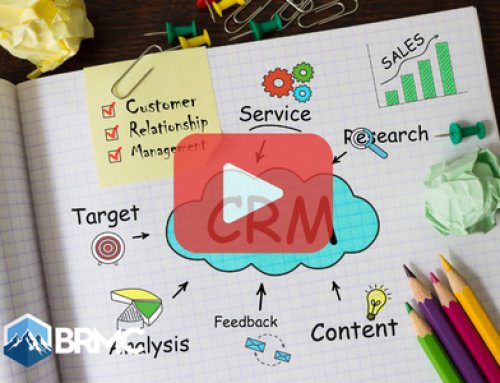

As businesses adopt more digital tools, customer communication has become more connected, automated, and data-driven. Two technologies that are increasingly being used together are Voice AI and CRM systems.
Voice AI helps businesses manage spoken interactions with customers through phone calls, virtual assistants, and automated voice systems. CRM systems, or Customer Relationship Management platforms, help businesses organize customer information, track communication history, and manage leads or ongoing relationships.
When these two systems work together, businesses can create more organized and efficient customer interactions. Voice AI can gather information during calls, while the CRM stores and organizes that information for future use.
What Is Voice AI?
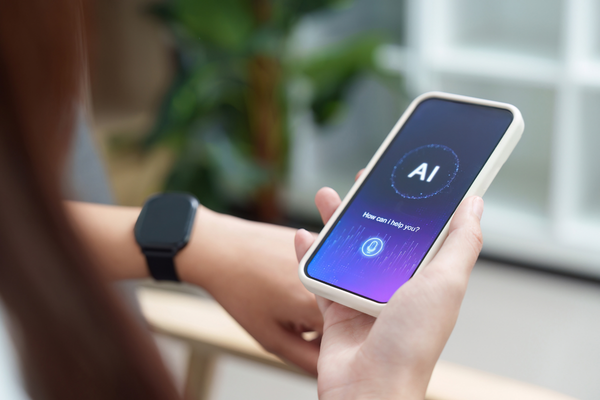 Voice AI refers to technology that can understand, process, and respond to spoken language.
These systems often rely on several technologies working together, including:
- Speech recognition
- Natural language processing (NLP)
- Text-to-speech technology
- Decision logic and automation
Voice AI can be used in:
- Automated phone systems
- Virtual assistants
- Customer service phone lines
- Appointment scheduling tools
- Lead qualification systems
Instead of requiring callers to press numbers through a traditional phone menu, Voice AI allows users to speak naturally.
For example, a caller might say:
“I’d like to check my appointment.”
The system can recognize the request, process the information, and provide a spoken response.
What Is a CRM?
A CRM, or Customer Relationship Management system, is software designed to store and organize customer information.
CRM systems often include:
- Contact details
- Notes and communication history
- Sales stages and lead tracking
- Follow-up reminders
- Appointment records
- Email and call logs
The purpose of a CRM is to help businesses keep customer information organized and accessible.
When integrated with Voice AI, the CRM becomes more than a database—it becomes part of the conversation process itself.
What Does Voice AI Integration With CRM Mean?
Voice AI integration with a CRM means that the voice system and customer database work together in real time.
When a customer calls, the Voice AI system can:
- Recognize the caller
- Retrieve customer details from the CRM
- Reference previous interactions
- Record new information from the conversation
- Update the CRM automatically
This creates a more connected interaction because the business has access to both current and past information during the conversation.
For example, if a customer calls about an existing appointment, the Voice AI system may be able to access appointment details from the CRM and respond based on that information.
How Voice AI and CRM Systems Work Together
The process usually follows a series of steps.
Step 1: The Customer Calls
A customer contacts the business by phone.
Step 2: Voice AI Identifies the Request
The Voice AI system uses speech recognition and natural language processing to understand what the customer is asking for.
Step 3: The CRM Provides Context
The Voice AI system may connect to the CRM to retrieve relevant customer information, such as:
- Name
- Contact history
- Recent purchases
- Existing appointments
- Open support requests
Step 4: The System Responds
Based on the information available, the Voice AI system provides a spoken response or guides the caller to the next step.
Step 5: The CRM Is Updated
After the interaction, the CRM can automatically record details from the call, including notes, outcomes, or follow-up tasks.
This process helps businesses keep customer information current without relying entirely on manual data entry.
Benefits of Integrating Voice AI With a CRM
Businesses use Voice AI and CRM integrations for several practical reasons.
Faster Access to Customer Information
Without integration, employees may need to search manually for customer details while speaking on the phone.
With a CRM-connected voice system, customer information may be available immediately, reducing the time spent looking up records.
More Consistent Customer Interactions
Because the CRM stores previous communication history, businesses can respond more consistently across calls.
For example, if a customer has already spoken with the business before, the system may recognize their history and continue from where the previous interaction left off.
Reduced Manual Data Entry
Voice AI systems can automatically record information from conversations and save it to the CRM.
This reduces the amount of manual note-taking required after a call.
Improved Follow-Up Processes
CRM systems often include reminders, task assignments, and follow-up tracking.
When Voice AI interactions feed directly into the CRM, businesses can more easily track next steps after a conversation.
Better Visibility Across Teams
When customer details are updated automatically in the CRM, different team members can access the same information.
This helps reduce confusion and supports more coordinated communication.
Common Uses for Voice AI and CRM Integration
Businesses use these integrated systems in many ways depending on the type of service they provide.
Appointment Scheduling
Voice AI can guide customers through scheduling an appointment and then store the appointment details in the CRM.
Lead Qualification
Businesses may use Voice AI to ask basic qualifying questions before passing the lead to a sales representative.
For example, the system may collect:
- Name
- Contact information
- Type of service needed
- Preferred appointment time
This information can then be stored automatically in the CRM.
Customer Service Requests
Voice AI can identify common customer questions, retrieve information from the CRM, and either provide an answer or route the call to the appropriate team member.
Order and Account Updates
Businesses that use CRM systems for customer records may use Voice AI to help customers check account information, appointment status, or order details.
Follow-Up and Reminder Calls
Some businesses use Voice AI to make automated outbound calls related to:
- Appointment reminders
- Follow-up messages
- Confirmation requests
- Service updates
Because the CRM contains customer data, these messages can be more personalized and organized.
Voice AI vs Traditional Phone Systems
Traditional automated phone systems usually rely on fixed menu options such as:
“Press 1 for sales. Press 2 for support.”
Voice AI systems are different because they allow callers to speak naturally instead of relying only on keypad input.
When connected to a CRM, Voice AI can also provide more personalized responses because it has access to customer information.
This creates a more dynamic interaction compared to traditional phone trees.
However, Voice AI does not necessarily replace human staff. Many businesses use it to handle repetitive or routine requests while directing more complex conversations to employees.
Considerations Before Integrating Voice AI With a CRM
Businesses typically evaluate several factors before implementing this type of technology.
Existing CRM Compatibility
Not every CRM platform supports the same types of integrations. Businesses often need to confirm that their CRM can connect with their phone system or Voice AI platform.
Data Accuracy
Voice AI systems rely on accurate CRM records. If customer information is outdated or incomplete, the quality of the interaction may be affected.
 Call Volume
Businesses with higher call volumes often see more value from automation because routine requests can be handled more efficiently.
Customer Preferences
Some customers may prefer speaking with a live person, especially for more complex issues. Businesses often use Voice AI as a first step before escalating calls to staff when needed.
Privacy and Data Handling
Because Voice AI systems interact with customer information, businesses should also consider how data is stored, protected, and managed.
Contact Blue Ridge Media Company Today
As customer communication continues to evolve, integrating Voice AI with a CRM offers a practical way to connect customer service, sales, and marketing into one more streamlined process. Contact Blue Ridge Media Company today!
Common FAQs About Voice AI
1. What is Voice AI?
Voice AI is technology that can understand, process, and respond to spoken language through tools such as automated phone systems and virtual assistants.
2. What is a CRM?
A CRM, or Customer Relationship Management system, is software used to organize customer information, track communication history, and manage leads or ongoing relationships.
3. What does it mean to integrate Voice AI with a CRM?
Voice AI integration means the voice system can connect with the CRM to retrieve customer information, record call details, and update customer records automatically.
4. How can Voice AI use CRM data during a call?
Voice AI can use CRM information such as customer names, past interactions, appointment history, and service details to provide more relevant responses during a conversation.
5 . Can Voice AI update CRM records automatically?
Yes. Many Voice AI systems can record details from conversations and save that information directly into the CRM.
6. What are some common uses for Voice AI and CRM integration?
Common uses include appointment scheduling, lead qualification, customer service requests, follow-up calls, and account updates.
7. How is Voice AI different from a traditional phone menu?
Traditional phone systems often rely on keypad selections, while Voice AI allows callers to speak naturally and explain what they need in their own words.
8. Does Voice AI replace human customer service teams?
No. Many businesses use Voice AI to handle routine requests while more complex questions or conversations are still handled by employees.
9. What should businesses consider before using Voice AI with a CRM?
Businesses often consider CRM compatibility, data accuracy, call volume, customer preferences, and privacy requirements before implementing the technology.
10. How can Voice AI and CRM systems support marketing efforts?
They can help businesses track leads, understand where calls come from, organize follow-up communication, and connect customer interactions with website traffic or marketing campaigns.